
Vlog Task: Our Community
In this session, students explore their local community through vlogging. The aim is to create a shared vlog that portrays the community from the students’ own perspectives, focusing on people, places, and everyday life. The task introduces community-based storytelling as a way of working with familiar contexts in a creative format.
What Makes a Community?
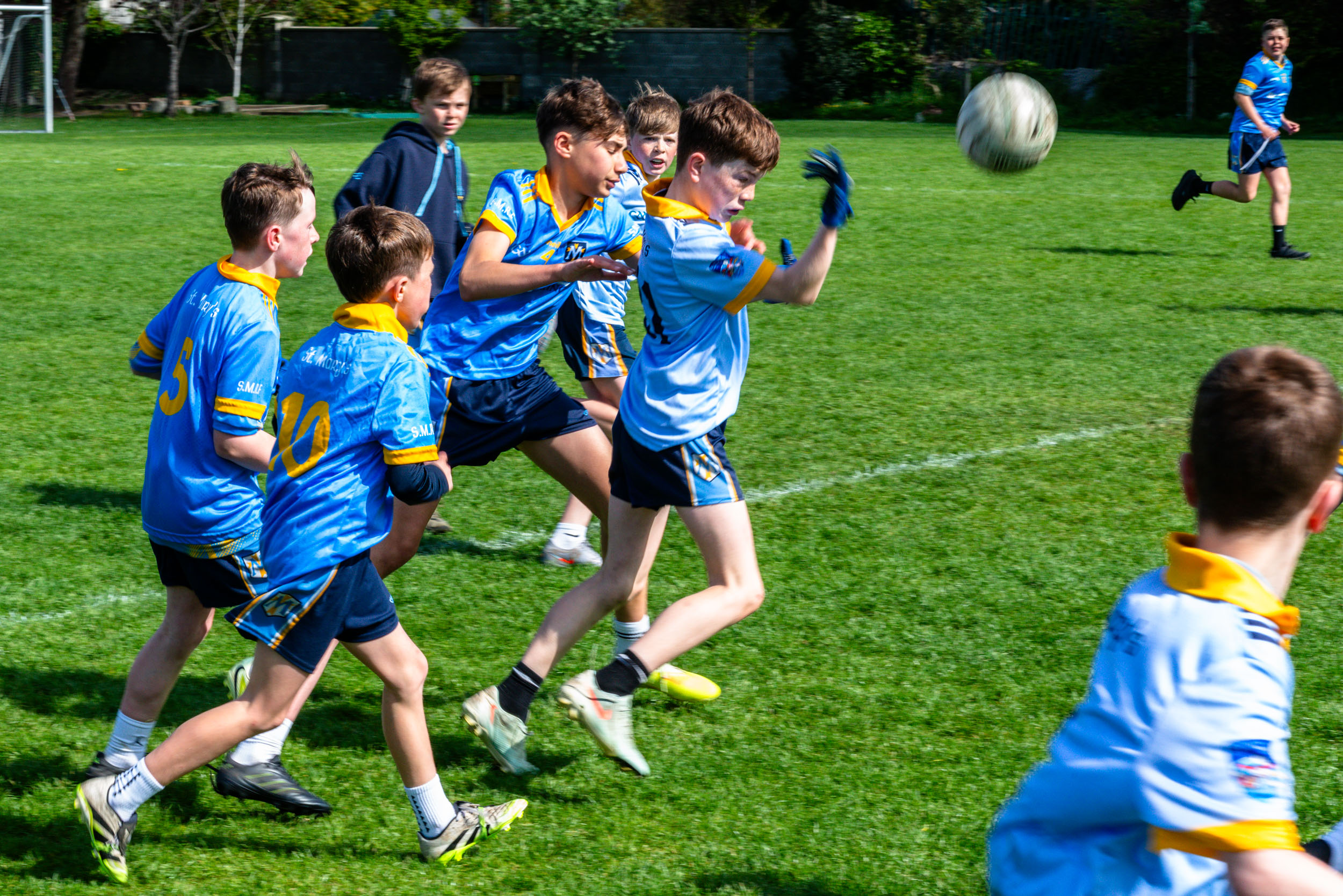
Community-based vlogging positions pupils as active contributors rather than passive observers. By documenting familiar environments, pupils are invited to reflect on their own everyday lives and how these are shaped by shared spaces, relationships, and routines.
Working towards a collective product emphasizes participation, collaboration, and shared ownership. Instead of producing individual narratives, pupils negotiate meaning together, which can strengthen their sense of belonging and highlight the diversity within a common community.
Teaching Plan
Below are three example vlogs made by Even about his local community. Some of the same footage is used across the different versions, but it is edited and applied in different ways. After watching each version in class, pupils discuss and analyse how these choices influence the portrayal of the community. These discussions are intended to build awareness of what to include and what to avoid when pupils create their own community vlog.
Our Community - Version 1
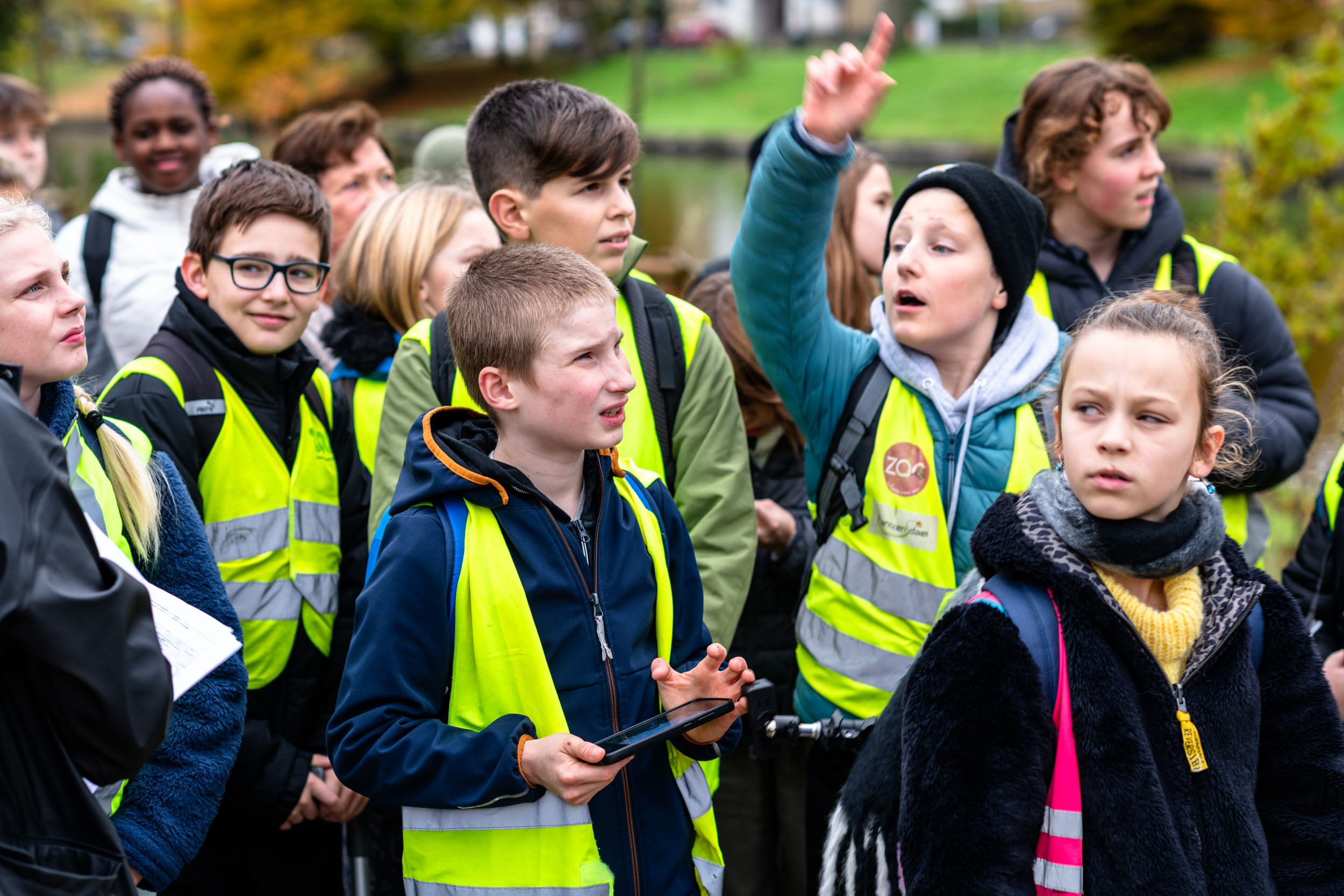
In his first attempt at Our Community, Even takes the viewer on a drive through his local surroundings. Filming from a car, he moves through Lade, a neighbourhood in Trondheim, Norway.
Consider what this mobile vlogging strategy allows the viewer to see, and what it might leave out when portraying a community.
Our Community - Version 2
In his second attempt, Even chooses a fixed location in Lade that offers a broader overview of the area. This version aims to give the viewer a clearer sense of the community as a whole.
Discuss whether this shift in perspective strengthens or limits the portrayal of the community.
Our Community - Final Version
In his final version, Even brings together several vlogging techniques developed through his work as an educational vlogger. The community is presented through a deliberate mix of perspectives, movement, and visual choices.
Notice how elements from the earlier versions are reused, adapted, and combined to create a more nuanced representation of the community.
• What do you think about the vlog?
• How was is filmed and edited?
• What qualities do you find in the vlog?
• How could the vlog still be improved?
Defining our community
Before starting the vlog production, the class should explore what a “community” can be and how it can be represented through a vlog.
Use the following questions to guide discussion and idea development:
What is our local community?
What places, activities, or people are important in our local community?
Where do we spend time outside of school?
What would someone from another country find interesting or surprising about our community?
How can everyday places or routines say something about who we are?
Narrow down which ideas to include, focusing on what sequences would be engaging and meaningful for a partner school to watch.
Explore different ways sequences could be linked to create a sense of continuity (e.g. walking transitions, maps, repeated actions, short introductions).
Our Community
1. How you will work
The students will collaborate in vlog groups. Each group will make one sequence, and all sequences will be combined into one class vlog.
Before filming, you will brainstorm ideas in class. Try to find content that would be engaging and fun for your friendship school to watch and learn about. Each sequence should show an interesting place or an activity you do in your community. Ask yourselves where you go, where you hang out, and what you do in your neighbourhood.
The vlog should also have links between sequences, making the audience experience it as a continuous story. A link can be made in different ways. For example, all groups can record a short intro. Another idea is to film the group members walking on a path, with each scene starting with a few seconds of walking. You could also draw a map or use a screenshot from Google Maps to show where the sequence takes place. Use your imagination to find creative ways to link the scenes.
The teacher will assign one sequence to each group. The method of linking the sequences should also be decided upon before the group work starts.
2. Special roles
Vlog host:
The Our Community vlog will have a student host. The host is responsible for recording the main intro and outro of the vlog as a whole. The intro and outro should be produced after the other sequences are finished. This will make it easier for the host to adapt his/her script to fit the content. The host could also appear between sequences, and introduce the next sequence.
Editing supervisor:
When the groups have produced and edited their sequence, they should upload their footage to a shared folder. The editing supervisor then arranges all the sequences into a finished "Our Community" vlog.
3. Requirements
Each group must:
Write a script/storyboard - for main sequence + linking shot (script template – English - Dutch - Norwegian)
Plan where to use voiceover and where to speak directly on camera
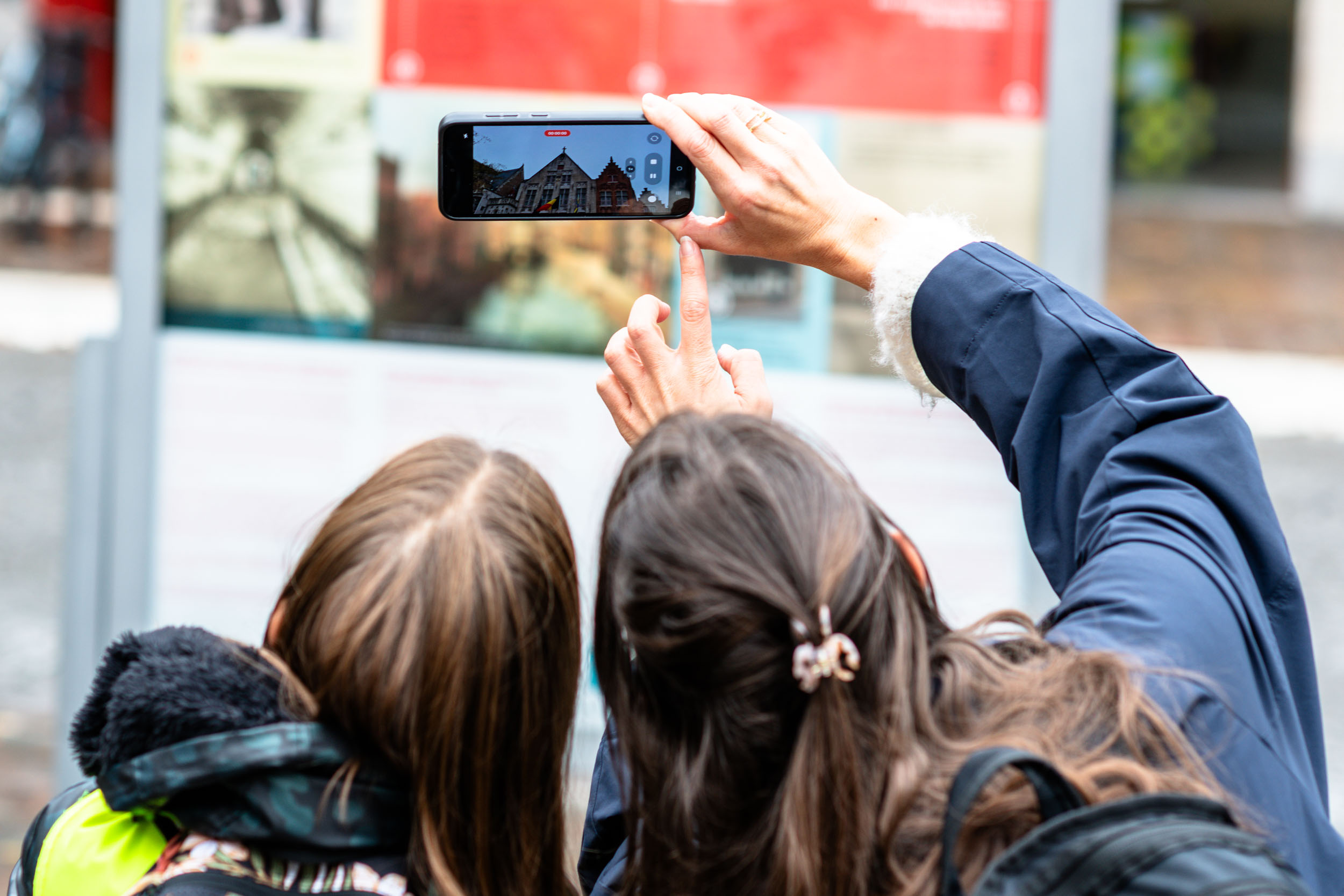
Record main sequence using at least four different shots (e.g. close-up, medium close-up, medium shot, wide shot)
Record linking shot
Make the main sequence about one minute long
The vlog host/s must:
Write a script
Record the main intro and outro
The editing supervisor/s must:
Make sure all sequences are exported to the same folder
Import footage to editing software
Arrange the footage to a coherent vlog
Export finished "Our Community" vlog
