

Beyond the Surface
In the previous task, pupils were invited to develop storytelling skills by combining sound and image to present everyday life from personal and local perspectives. The task was designed to support growing technical skills and genre awareness, particularly through the selection and pacing of clips.
Beyond the Surface builds on this approach by slowing down and encouraging a more in-depth exploration of a topic. In this task, pupils are invited to apply technical and storytelling skills to investigative work, using vlogging both to develop media competence and to learn more about a chosen topic.
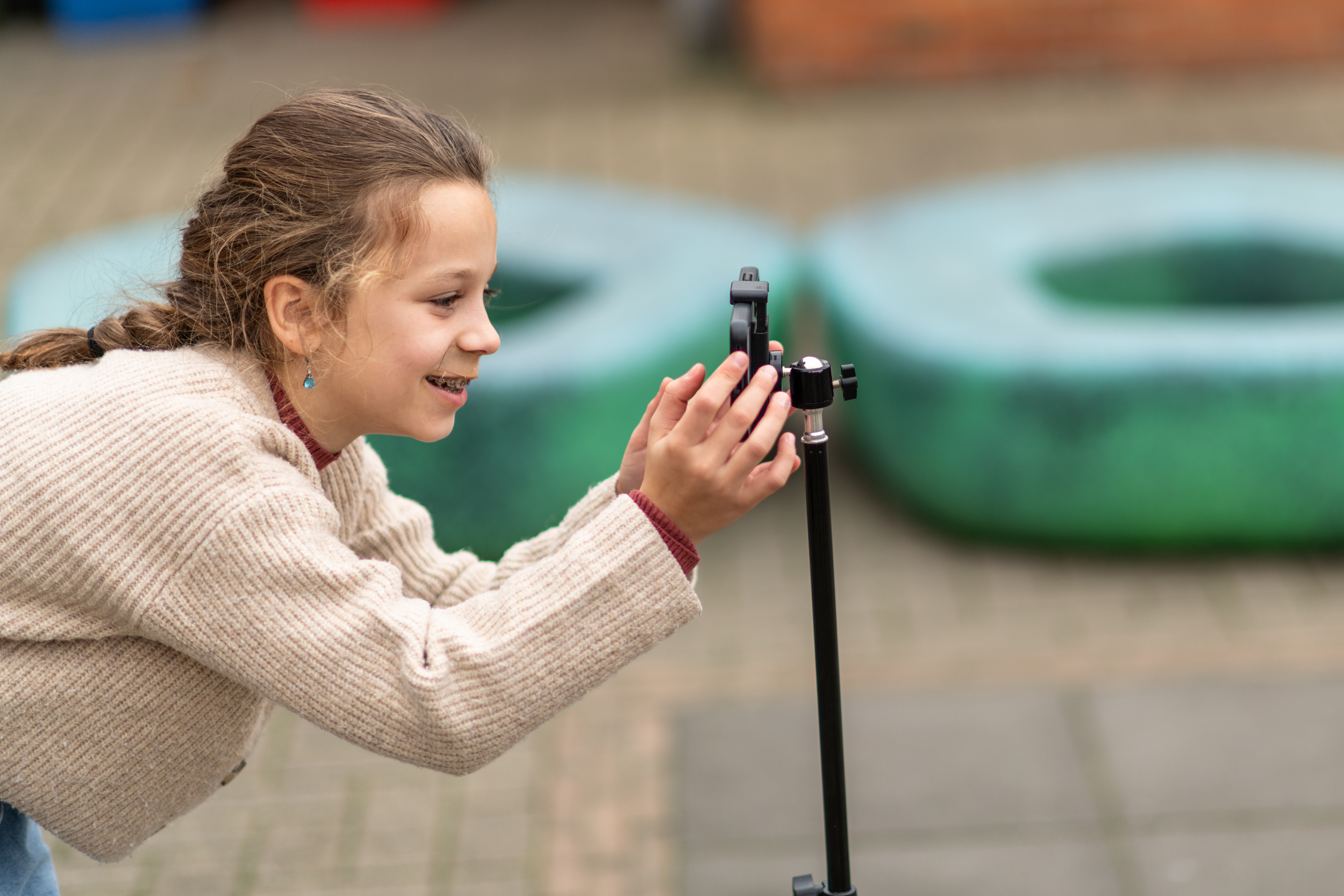
Digging Deeper
The pupils will now explore topics in depth using a documentary-style vlog format. Unlike previous tasks, where the entire vlog could be scripted in advance, Beyond the Surface requires both planning and backward planning. While pupils can prepare interview questions beforehand, it is the unexpected moments during the interviews that drive both engagement and learning. These unplanned responses encourage pupils to think critically, adapt their focus, and deepen their understanding of the topic. Therefore, pupils must plan backwards by shaping and editing their story after the interviews have been recorded. This type of vlog can be applied across a wide range of school subjects, making it a flexible and adaptable task that allows pupils to learn more about topics they are genuinely interested in.
Teaching Plan
In this session, pupils are introduced to two example vlogs connected to the task Beyond the Surface. The vlogs are a starting point for examining how video can be used to explore a topic in more depth. Through guided discussion, pupils can reflect on the techniques and choices made in the vlogs as preparation for developing their own investigative vlogging projects.
Beyond the Surface - Even's Version
In this vlog, Even explores his interest in literature and music by seeking new perspectives through an interview with a musician friend, Egil. The example demonstrates how vlogging can be used to go beyond surface-level presentation and instead focus on curiosity, inquiry, and deeper understanding.
Class Discussion
Divide the class into their vlog groups, with each group analyzing one part of Even’s vlog. After five minutes of discussion, each group shares their insights with the class.
Intro: What kind of editing technique is used in the intro? What effect does it have on you? What are the pros and cons of editing this way? What is the purpose of having an intro?
On the way to Egil: What is the purpose of this sequence? What would happen if we cut directly from the intro to the interview? What kind of effect does music have in this scene?
At Egil’s Sound Lab: What is our first glimpse and impresssion of Egil? How and when are the scenes from Egil’s music studio used? What did you learn from these scenes?
Interview with Egil: What would the vlog be like if it only relied on interviews without any other clips? What is the purpose of filming the interview in a different room than his studio? What did you learn from the interviews?
Outro: How is the outro linked to the intro? What is the purpose of having an outro?
Beyond the Surface - Ken's Version
In this vlog, Ken explores his friend Jamie McKeogh’s journey from a passion for hurling and football to a strong interest in music. The vlog also highlights production choices such as camera angles and music, illustrating how technical decisions can support storytelling and meaning.
Class Discussion
Divide the class into their vlog groups. After five minutes of discussion within the groups, each group shares their insights with the class.
Where was Jamie positioned in the frame? Why?
What mood does the background guitar give to the video?
What different camera angles are used?
There are extra clips (B-roll) shown during the interview — what kinds of things do you notice in those clips.
How do these extra pieces of video help you understand Jamie’s story better?
How would the vlog feel different if we only saw Jamie talking without the music or extra footage?
What feeling do you get when you watch the vlog? (e.g., happy, relaxed, interested)
If you were making a vlog about someone you admire, what would you do the same? What would you do differently?
Beyond the Surface
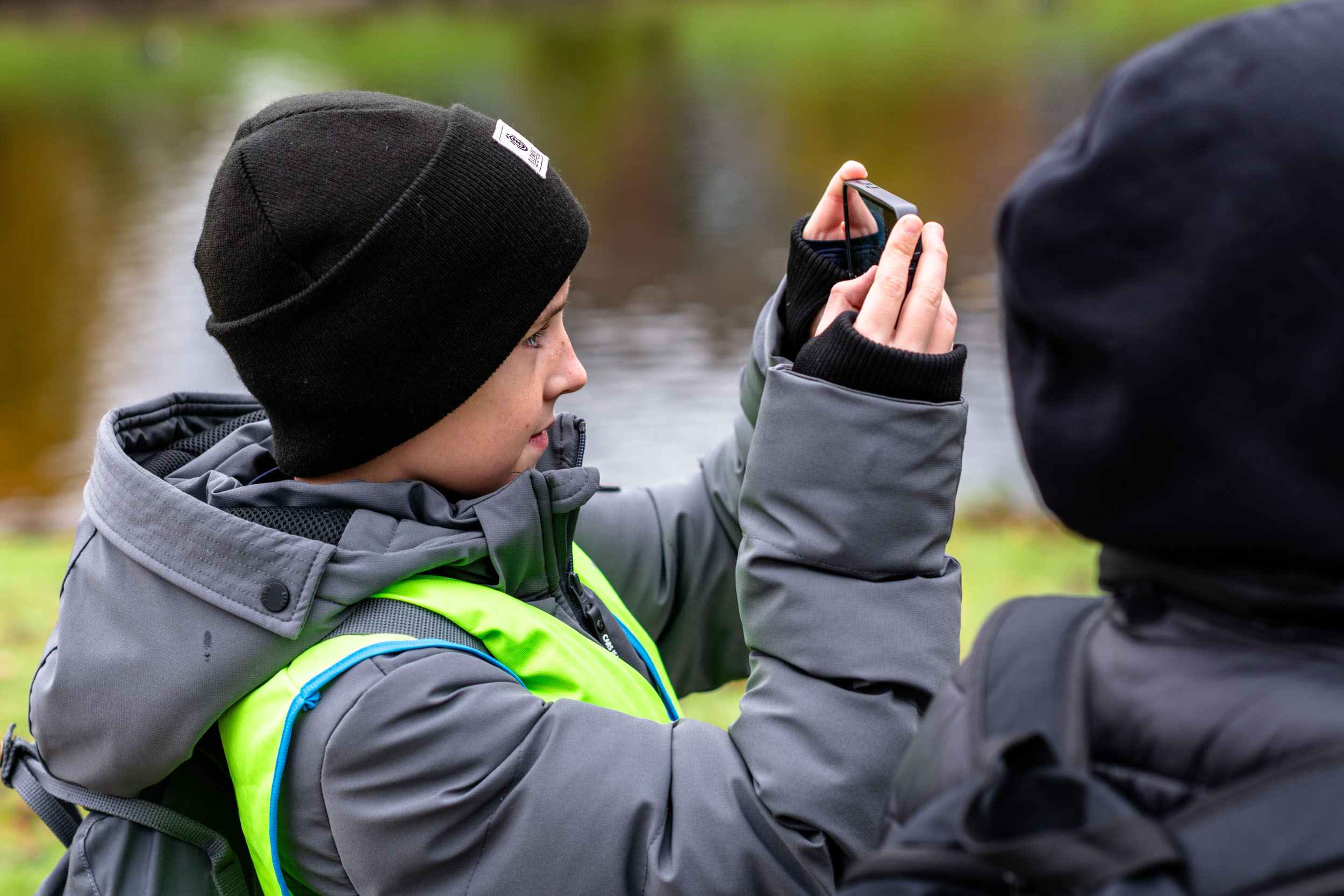
In vlog groups, create a vlog where you explore a topic that genuinely interests you. In this project, you’ll take on the role of investigative journalists seeking sources of information. That means you start with some knowledge or curiosity — but your goal is to dig deeper, learn something new, and bring your audience along on the journey. Your vlog should include the following elements:
A Clear Structure: Beginning – Middle – End
Introduction: Tell the audience why you chose this topic. What are you curious about? What do you expect to find out?
Middle: This is the heart of the vlog. Share your interviews and build your story step by step.
Ending: Wrap it all up. What did you learn? What surprised you? Did your findings match your expectations?
Mix Up Your Visuals
Don’t rely only on “talking heads” (people sitting and talking directly to the camera). Instead, add variety to your footage:
If you’re interviewing a drummer, include clips of the drumming in action from different angles. These cutaway clips help break up the talking and give your vlog room to “breathe”.
Show the Setting
Include clips from your surroundings to show where your story takes place:
It could be a shot of a neighbourhood, nature, a city street, or a building.
These clips help anchor your story and make it more engaging.
Example: If your topic is climate change, you might include shots of trees blowing in the wind, waves at sea, raindrops hitting a puddle, and traffic in a busy street.
React and Reflect
You are still the main characters in your vlog! Your interviewee shouldn’t take over the whole story.
Record short clips of yourselves reacting to what you learn:
Share thoughts, reactions, or feelings after interviews or discoveries.
This adds personality, suspense, and emotion to your vlog.
Example:
Pupil 1: “I could never do that…”
Pupil 2: “Same here – I think your grandad was really brave.”
Cut to: Granddad continuing his story about being a firefighter and rescuing a dog from a burning house.
Have fun, stay curious, and tell a story that matters to you!
